

Why I Would Never Plan Sri Lanka by Distance Alone
The kilometre count rarely tells the full story of a day on the road.
A personal thought from Gerard, Tara Leisure Travels
A map can give the wrong impression
Sri Lanka is a compact island, and that is part of its beauty. Within one journey, you can move from dry plains to misty hills, from ancient cities to the sea. But a small island does not always mean short travel days.
When I look at a route, I do not begin only with kilometres. I think about the road, the elevation, the traffic, the season, the likely stops and how the people travelling will feel by the end of the day.
One hundred kilometres can mean very different things
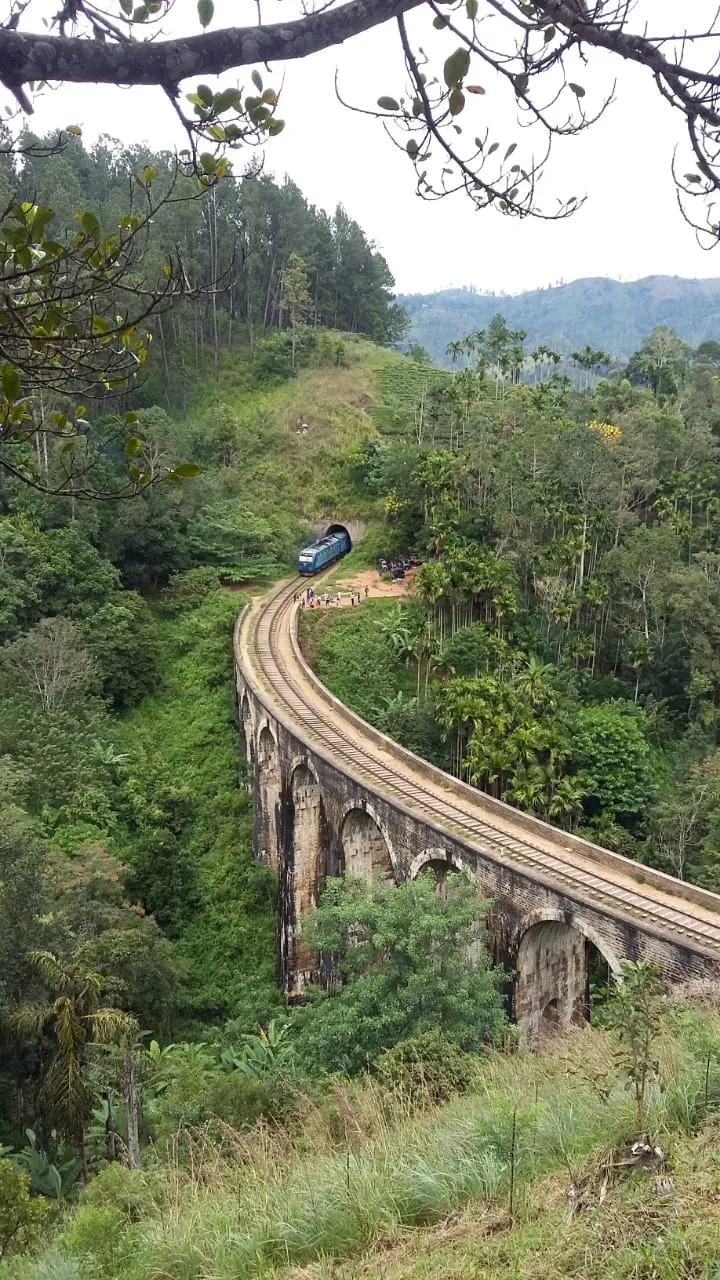
A hundred kilometres on a highway is not the same as a hundred kilometres through the hill country. Mountain roads bend through estates and villages. Town traffic can slow the journey. Rain or mist can reduce visibility. A road that looks direct may not be the most comfortable route.
This is why an online map estimate should be treated as a useful guide, not a promise. The most sensible route is not always the shortest line between two pins.
Travel time is part of the experience
A long drive does not automatically mean a bad day. It becomes tiring when it has no rhythm.
With comfortable breaks, a good lunch, a fruit stall, a small temple, a viewpoint or an interesting conversation, the road itself can become part of the journey. When children are travelling, quiet time and sleep may matter more than adding another attraction. For older travellers, the right vehicle, sensible stops and an easy arrival can make a significant difference.
The order of destinations matters
The same group of destinations can produce either a smooth route or a frustrating one, depending on the order.
A hotel that looks attractive online may create an unnecessary detour. A famous attraction may be better visited from the next destination. A train journey may work beautifully in one direction but leave a difficult transfer at the other end. These details are rarely visible when an itinerary is built by collecting names from different websites.
I plan the day backwards
I often begin by asking what time we should comfortably arrive at the next hotel. Then I work backwards. How long will the road realistically take? Where should we stop? Which activity deserves time? What can be removed if the day becomes too full?
This helps protect the evening. Guests should not arrive every night feeling exhausted, hungry and rushed. A journey needs energy left for the simple pleasures too: a swim, a walk, dinner or a quiet drink together.
My honest advice
When comparing itineraries, do not look only at the list of places. Ask how many hours you will spend moving, how often you will change hotels and whether the planned stops are genuinely different from one another.
A good route is not the one that covers the greatest distance. It is the one that makes the distance feel worthwhile.
““Every long drive should have a reason, and every stop should add something different.”
— Gerard
Share your route with Gerard
If you already have an itinerary, send it as it is. Gerard can help identify tiring sections, repeated experiences and more natural ways to connect the places.